
Pixels
Pixels is described as an MMORPG Pixel NFT game that allows players to engage in farming and community-building activities in a pixelated world. It promotes...

Built by Gamers. Fueled by Crypto.

Gigaverse just announced GIGABIT, its proprietary currency, promising seamless trading across chains, platforms, and storefronts—complete with slick retro visuals and a “play anywhere, trade with anyone” manifesto. The pitch hits a nerve: players could eventually duel on-chain, sell skins from Steam, or wager in a mobile PvP lobby without ever touching bridges or juggling gas fees. Even better, Gigaverse says 100 GIGABIT always costs $1 to buy, pays out $0.80 in USDC, and skims $0.15 for reward pools, recycling spend straight back into tournaments and jackpots. For game design, that kind of closed-loop reward engine is a boon—it keeps the focus on fun modes, instant settlement, and a shared economy rather than on who happened to mint in the last bull market.
But let’s stay clear-eyed about the investment angle. Gigaverse insists GIGABIT dodges “the known risks of currency fluctuation and harmful unlocks,” citing game founder Dith’s widely shared breakdown of why tokens fail as game money: volatility wrecks pricing, speculative arbitrage overruns design intent, and external exchanges siphon value that should stay in-world. Even if Gigaverse nails its fixed-rate promise, history shows that once players can cash out to stablecoins, someone somewhere will try to speculate—and when that happens, the game economy risks being hostage to trader sentiment again. Roblox’s Robux works because it never leaves the garden; every crypto project that ignored that lesson ended up chasing liquidity rather than great gameplay.
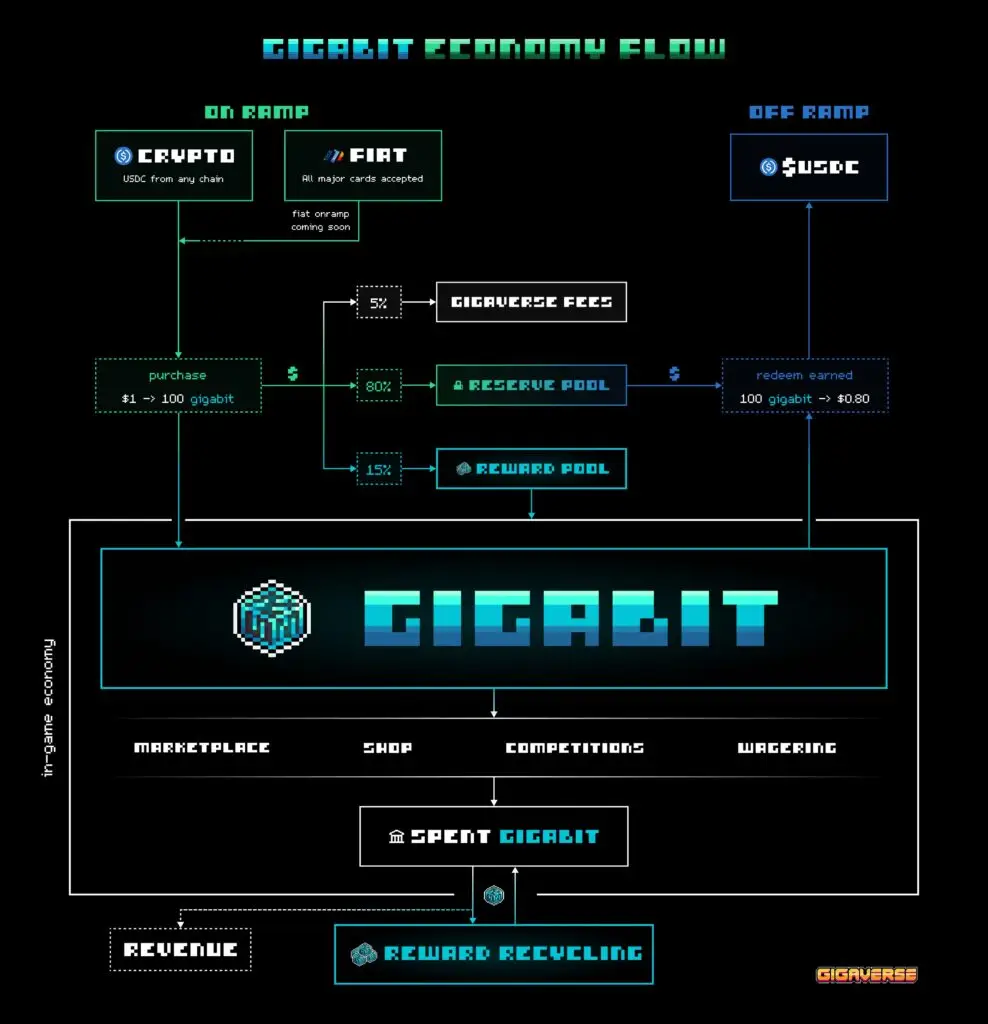
Where does that leave us? As a currency investment, skepticism is healthy. GIGABIT may be pegged today, but players have heard “stable by design” before, right up until the treasury drained or the unlock chart flipped. If you’re looking for a store of value, stick with assets that have proven monetary policy, not a studio road map. Yet as a tool for better games, GIGABIT could genuinely help: unified balances across browser, desktop, and future mobile builds mean less onboarding friction; instant settlement in PvP duels avoids gas fees that kill pacing; and the reward feedback loop might finally fund large-scale events without chasing whales.
So celebrate Gigaverse for prioritizing cross-platform UX, predictable pricing, and player-first rewards—it’s the right direction for virtual worlds. Just don’t confuse that progress with a safe bet on another game-linked currency. Enjoy the competitions, trade your loot, but keep your investment skepticism intact.

It’s time to roll up your sleeves and dig into the latest season of Codex, brought to you by Axie Infinity. The long-awaited Songs of...
Rumble Arcade’s Community Clash Season 1 has reached its climax, with top clans set to compete for a $1,500 prize pool in a multi-day tournament.
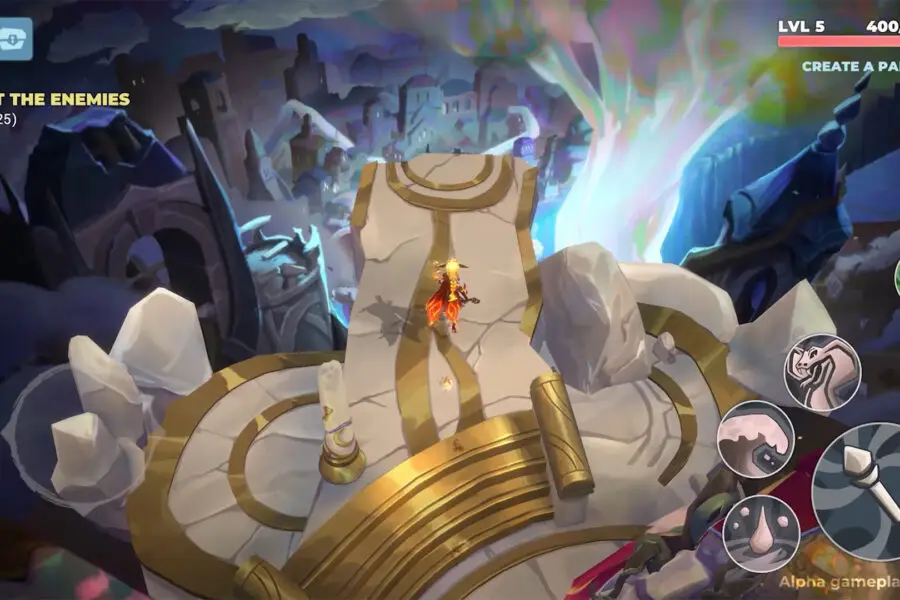
Spectrium’s Myths has entered early access on Google Play in the Philippines, offering a glimpse into its ambitious AI-driven co-op RPG world.

Gotchi Guardians is a “tower defense brawler” that reimagines the genre as a frantic, cross-platform PvP arena. Instead of quietly placing towers and waiting for...

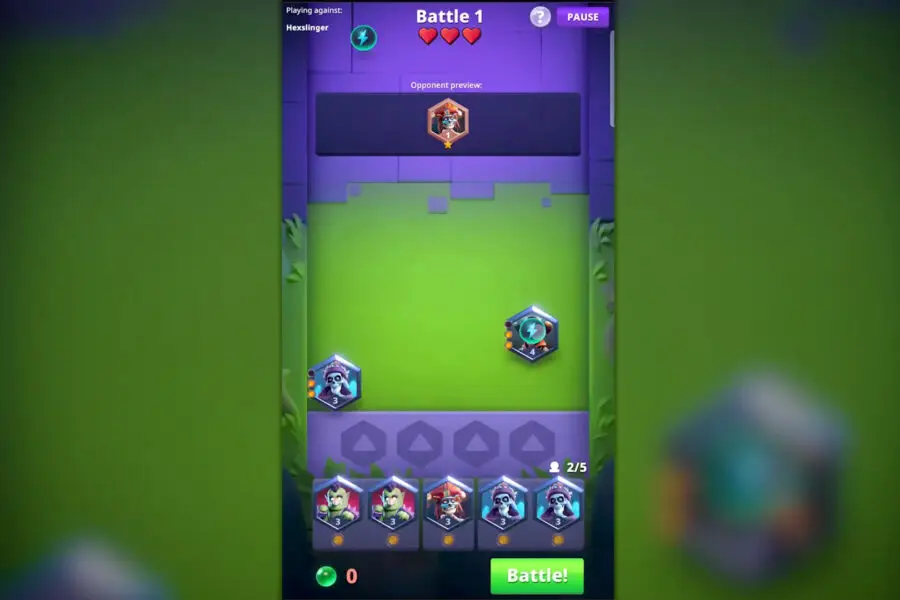
Legends of Elysium is a hybrid TCG/board battler that pushes past the typical “lane duel” template by dropping your cards onto a hex-based battlefield. Every...

Foxaria is a web3-native action platformer built around “Shadows,” on-chain avatars that embody different NFT communities and meme cultures. You begin by minting (or playing...

New Festival Town is pitched as a retro-inspired social arcade and life sim hybrid built by Ashara Studios. On mobile (per the Google Play listing)...