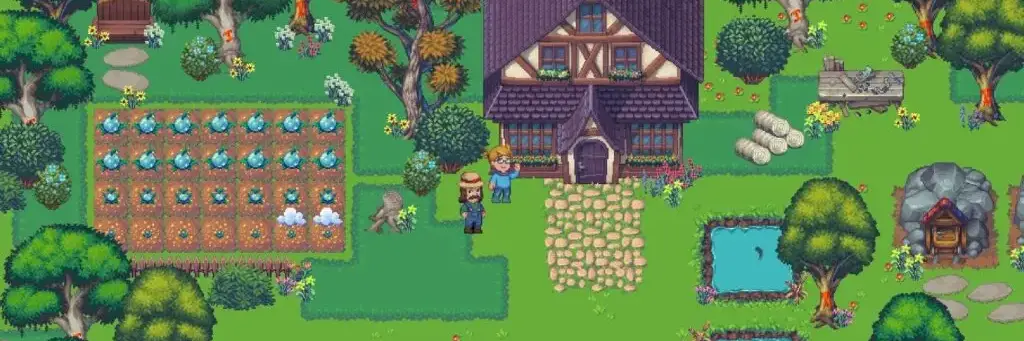
Pixels
Pixels is described as an MMORPG Pixel NFT game that allows players to engage in farming and community-building activities in a pixelated world. It promotes...

Built by Gamers. Fueled by Crypto.
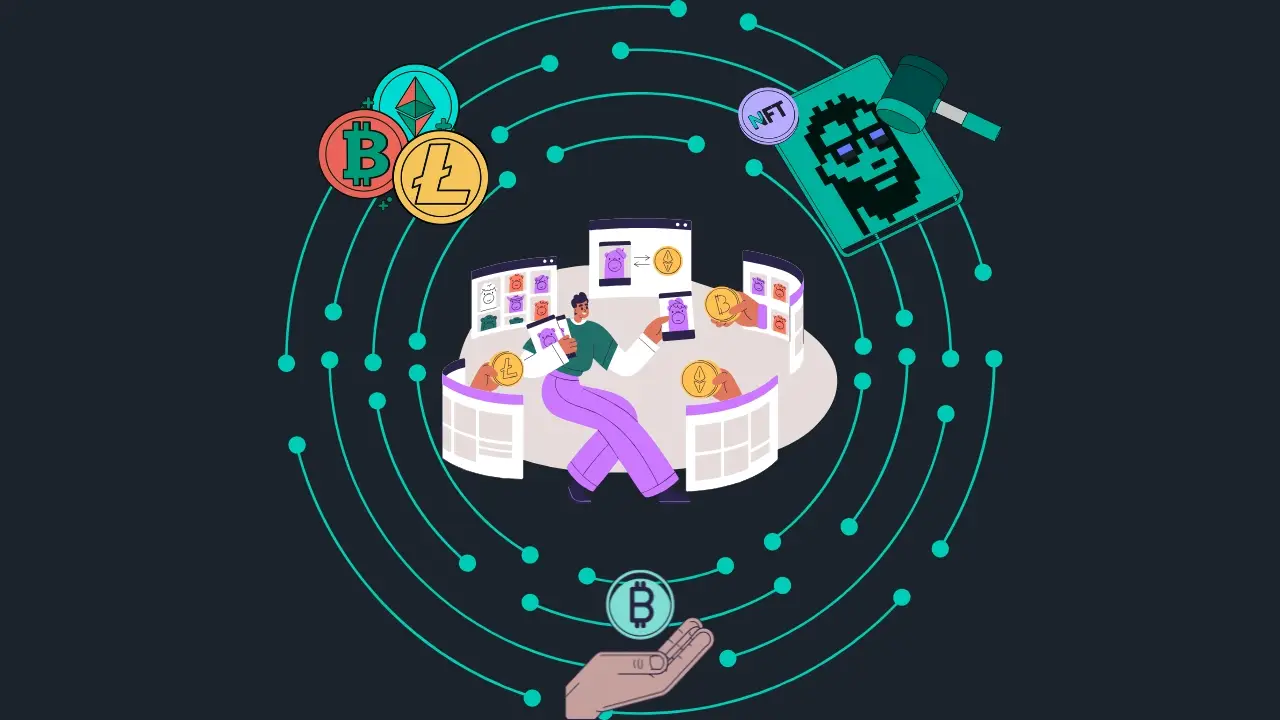

For decades, gamers have been high-level “tenants.” We spend hundreds of hours grinding for legendary swords and thousands of dollars on character skins, only to realize a sobering truth: if the game servers shut down tomorrow, our digital treasures vanish with them.
Enter the NFT (Non-Fungible Token). While the term sounds like technical jargon, in the gaming world, it represents a historic shift in power from developers to players. It is the transition from “renting” a digital experience to “owning” a digital asset.
In a traditional game, your inventory is a line of code on a private server. You have a license to use that item, but you cannot easily move it, sell it for real-world value outside of “grey markets,” or take it with you to another platform.
Web3 gaming flips this script using blockchain technology. When an in-game item, be it a skin, a plot of land, or a rare mount, is minted as an NFT, it becomes a distinct entity that lives in your digital wallet, not just the game’s database.
Key Insight: In 2026, the distinction between “digital items” and “digital property” is becoming the primary reason players are migrating to blockchain-integrated titles.

To understand why this matters, we have to look at the three “superpowers” that NFTs grant to a player’s inventory:
A common concern among veteran gamers is that NFTs will turn every game into a “Pay-to-Win” auction house. However, the industry is evolving. The most successful Web3 titles are focusing on cosmetic ownership and utility-based rewards that don’t break the competitive balance.
The goal isn’t to buy a win; it’s to ensure that when you decide to stop playing a game, you don’t leave empty-handed. You can “liquidate” your digital backpack and use those funds to start your next adventure.
The ultimate vision for NFTs in gaming is interoperability. Imagine earning a legendary shield in a fantasy RPG and being able to display that same shield as a trophy in your digital “home” or even using a futuristic version of it in a sci-fi shooter.
We are moving toward a unified “Digital Backpack” that follows you across the Metaverse. You aren’t just playing a game; you are building a persistent identity.
The rise of gaming NFTs isn’t just about money; it’s about agency. It’s about respecting the time and capital that players invest in digital worlds. As we move deeper into 2026, the question won’t be “Why would I want to own my game items?” but rather, “Why would I ever play a game where I don’t?”
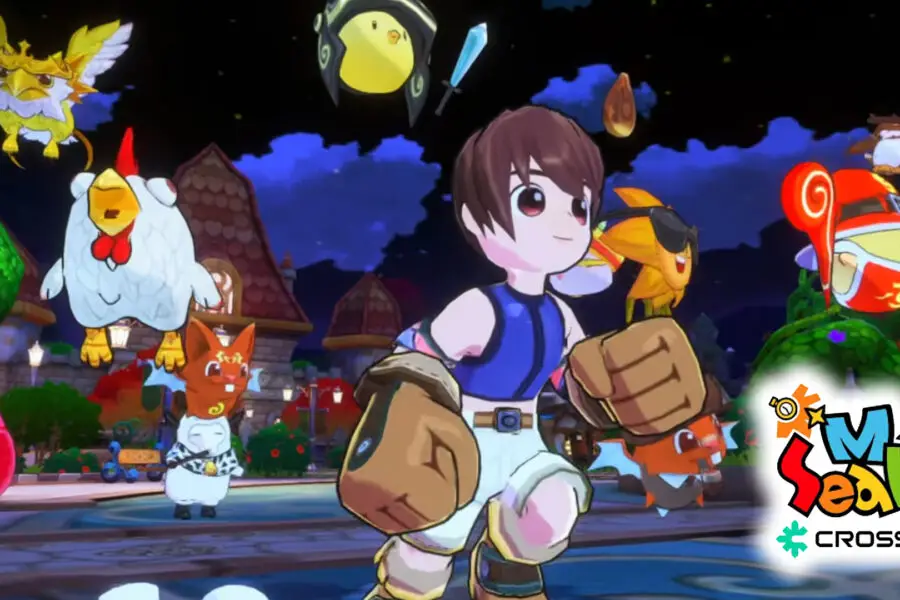
With 2.2M pre-registrations, Seal M on CROSS blends classic MMORPG gameplay with blockchain rewards through a gameplay-first model.
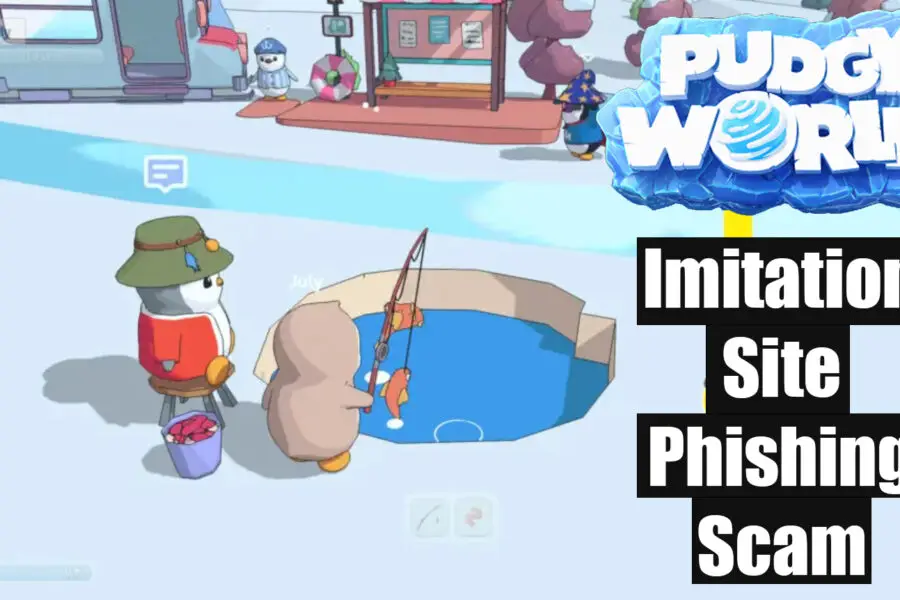
Malwarebytes warns of a phishing site mimicking Pudgy World that steals crypto wallet passwords. Learn how the scam works and how to stay safe.
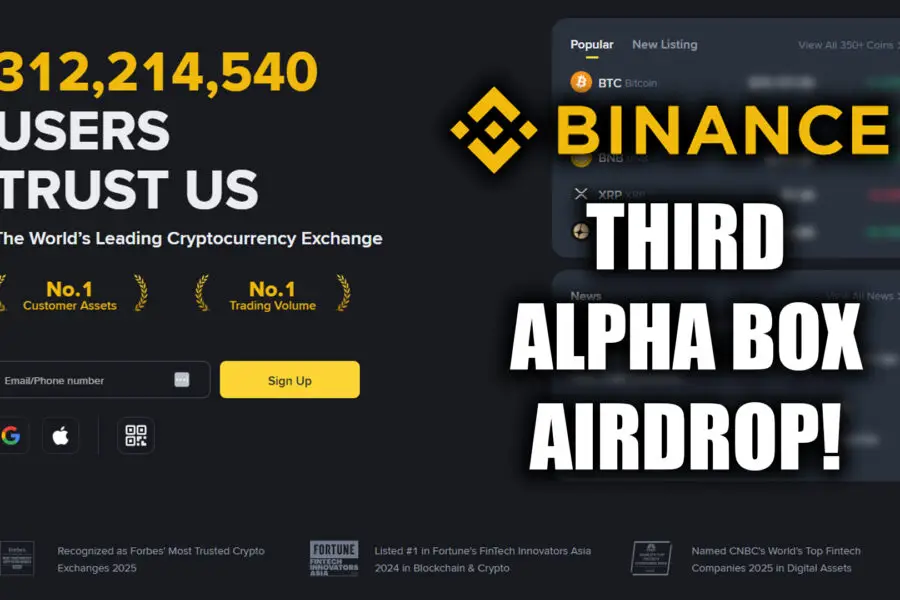
Claim your share of the 3rd Binance Alpha Box Airdrop — earn 470 INFINIT or 5,000 BLUAI tokens with 240 Alpha Points. Here's how to participate.
Gotchi Guardians is a “tower defense brawler” that reimagines the genre as a frantic, cross-platform PvP arena. Instead of quietly placing towers and waiting for...
Legends of Elysium is a hybrid TCG/board battler that pushes past the typical “lane duel” template by dropping your cards onto a hex-based battlefield. Every...
Foxaria is a web3-native action platformer built around “Shadows,” on-chain avatars that embody different NFT communities and meme cultures. You begin by minting (or playing...
New Festival Town is pitched as a retro-inspired social arcade and life sim hybrid built by Ashara Studios. On mobile (per the Google Play listing)...