









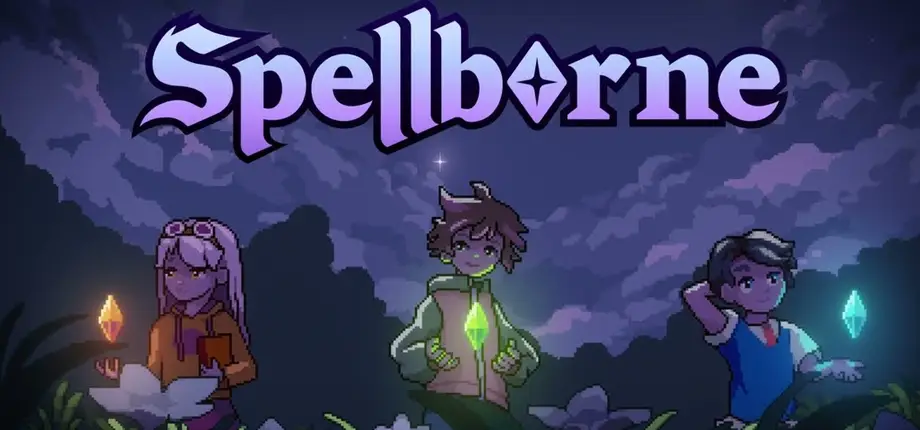
Spellborne
Pick one of three hunters, then catch monsters, grow crops and make friends across a pixel-art MMO world. Spellborne plays in the browser and on...
Pick one of three hunters, then catch monsters, grow crops and make friends across a pixel-art MMO world. Spellborne plays in the browser and on...
Play.fun wants to turn viral browser games into tokenized economies on Solana, but does the Pump.fun-for-gaming pitch hold up or is it just more hype?
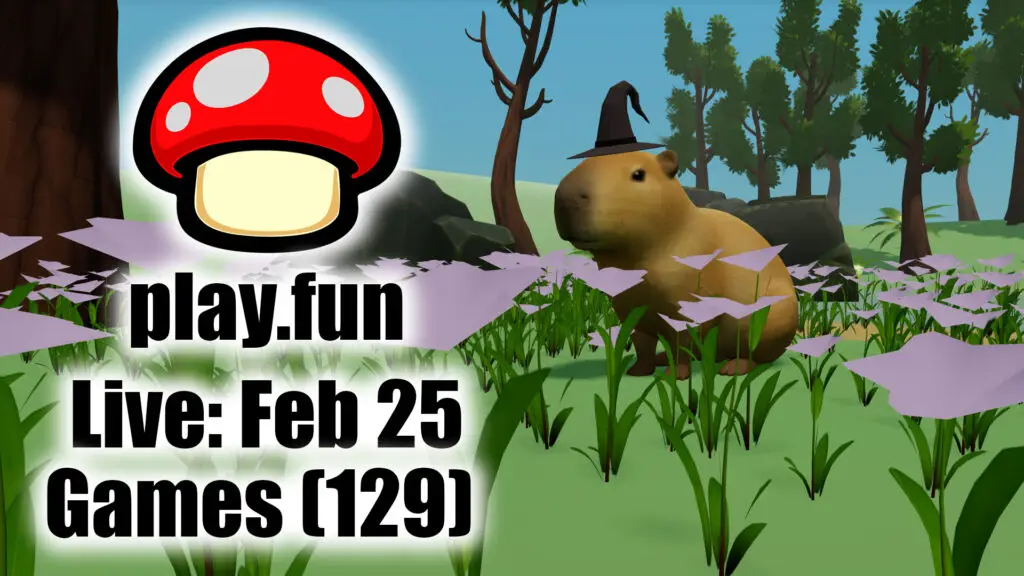
The Solana-based platform Play.fun—fronted by Zynga co-founder Justin Waldron and recently amplified by Solana Labs CEO Anatoly Yakovenko—used its Feb. 25 announcement to claim it can turn every viral browser game into a tokenized economy. The pitch is blunt: think Pump.fun, the speculative token launchpad, but bolted onto microgames so players and traders can both “ape.” That framing alone sets off alarm bells; most “game tokens” over the past decade have acted more like crowdfunding chips than systems that make the underlying game better. Play.fun’s promise hinges on whether bonding-curve launches plus in-game sinks can be more than another churn-and-burn cycle for speculators.
To its credit, the team didn’t stop at platitudes. Within hours, two community projects were already live: RinkRush, a hockey-themed score-chaser built by independent developer Soya (known for Solana automation tools), ships with Xbox-controller support, while Capybara Simulator—thrown together in a single morning by creator @_summer_plays—already has a “playcoin” tied to on-site activity. These examples at least show quick iteration rather than vaporware, and they hint at how AI-assisted prototyping plus instant token hooks might encourage mod-like experimentation. Still, the existence of a token doesn’t prove it enhances the game. RinkRush and Capybara Simulator have yet to show that their currencies do anything a simple leaderboard or cosmetic unlock system couldn’t.
Yakovenko’s repeated “Game meta is back” soundbite and Waldron’s livestream tour suggest an earnest desire to rehabilitate crypto gaming after years of shovelware and grifts. Play.fun also bragged about ranking fifth on Solana’s launchpad charts and “flipping BAGS,” a memecoin benchmark. But traction metrics built on trading volume are the exact red flags veteran players watch for. Without transparent economic design—who mints, who sinks, and why anyone but traders should care—the platform risks repeating the Axie Infinity boom-bust saga. For now, Play.fun is an intriguing lab, not a proof point that tokens can elevate game design.
◆ ◆ ◆
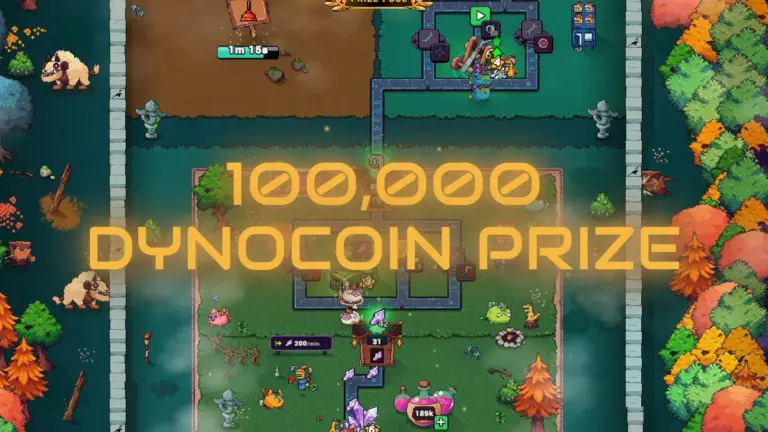 Craft World’s Factory After Dark Contest Is Live!
Craft World launches Factory After Dark contest with 100,000 Dyno Coin up for grabs.
July 1, 2026
Craft World’s Factory After Dark Contest Is Live!
Craft World launches Factory After Dark contest with 100,000 Dyno Coin up for grabs.
July 1, 2026
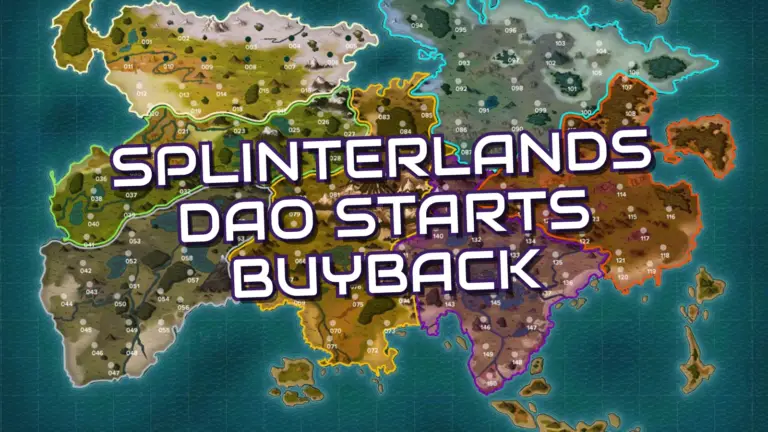 Splinterlands Token Buyback Starts With 20,000 USDC
Most of the Splinterlands token buyback went on DEC, the game's main currency. It grew out of a July 2026 vote that cut the…
October 2, 2026
Splinterlands Token Buyback Starts With 20,000 USDC
Most of the Splinterlands token buyback went on DEC, the game's main currency. It grew out of a July 2026 vote that cut the…
October 2, 2026
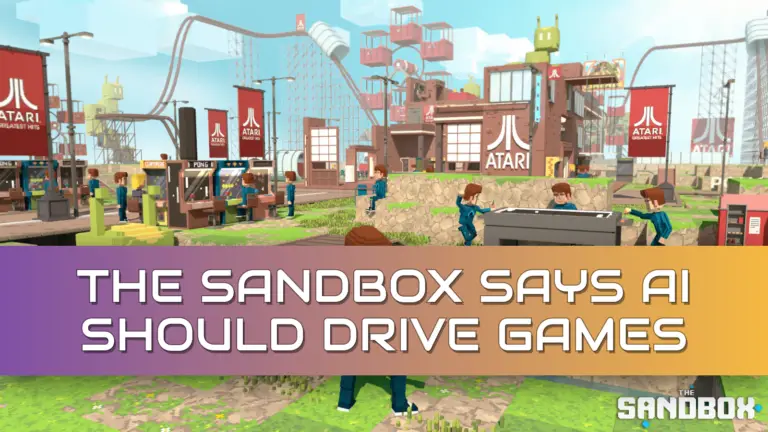 The Sandbox CEO Robby Yung Says AI Should Drive Games, Not Replace Developers, As Sandbox Studio Heads For October
CEO Robby Yung says The Sandbox Studio gives developers AI tools rather than automating game creation, as it teams up with Meshy AI ahead…
September 25, 2026
The Sandbox CEO Robby Yung Says AI Should Drive Games, Not Replace Developers, As Sandbox Studio Heads For October
CEO Robby Yung says The Sandbox Studio gives developers AI tools rather than automating game creation, as it teams up with Meshy AI ahead…
September 25, 2026
Lock in a squad of mushroom champions and battle through turn-based PvE and PvP across Arborethia, joining guilds and running quests for loot. Champz plays in your browser and on Android, where the 9,000 collectible Champz you fight, forage, and craft with are NFTs you own and trade on the marketplace. Hold the $CHAMPZ token on Base to earn Truffles you can swap for ETH. Free to play.
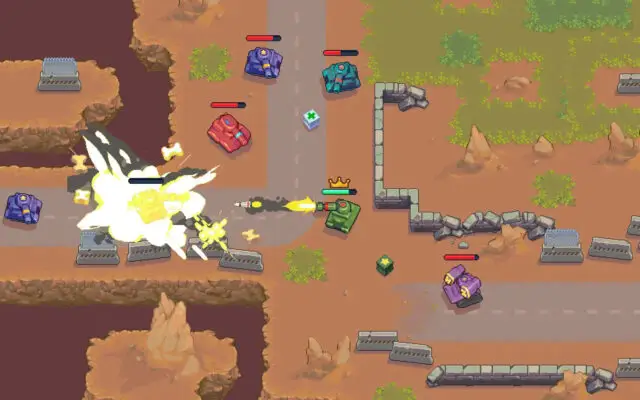
Drop into real-time top-down tank combat where aiming, dodging, and outmaneuvering your opponents wins the match. Think Brawl Stars, but you pilot a tank. Anyone jumps in free, while owning Tank Parts and Dog Avatar NFTs unlocks the full play-and-earn rewards on Sui. Play in the browser on PC or mobile, or grab a build from the Epic Games Store and Google Play.
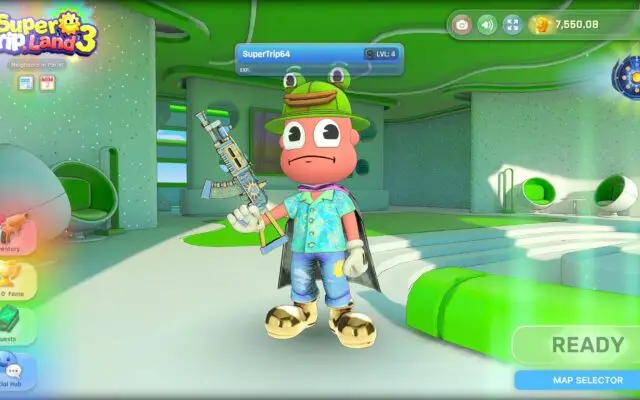
Spawn into a psychedelic free-for-all and frag your way across three themed worlds. SuperTripLand is a free browser FPS on Base with five weapons, character customization, unlockable skins, and party play when you want to squad up with friends. The Web3 layer stays optional: TripCoins live as Base tokens tied to your wallet, there if you want them.
Open your own shop in a 2D sandbox where the AI-driven NPCs remember you and shift their moods based on how you treat them. Craft goods from blueprints you unlock, run dungeon quests for rare materials, and trade with both the AI cast and other players in an economy that reacts to your moves. Everyday play earns in-game GOLD, anything you create gets recorded on-chain, and the whole thing plugs into the $PAL ecosystem on BNB Chain right in your browser.