
Pixels
Pixels is described as an MMORPG Pixel NFT game that allows players to engage in farming and community-building activities in a pixelated world. It promotes...

Built by Gamers. Fueled by Crypto.
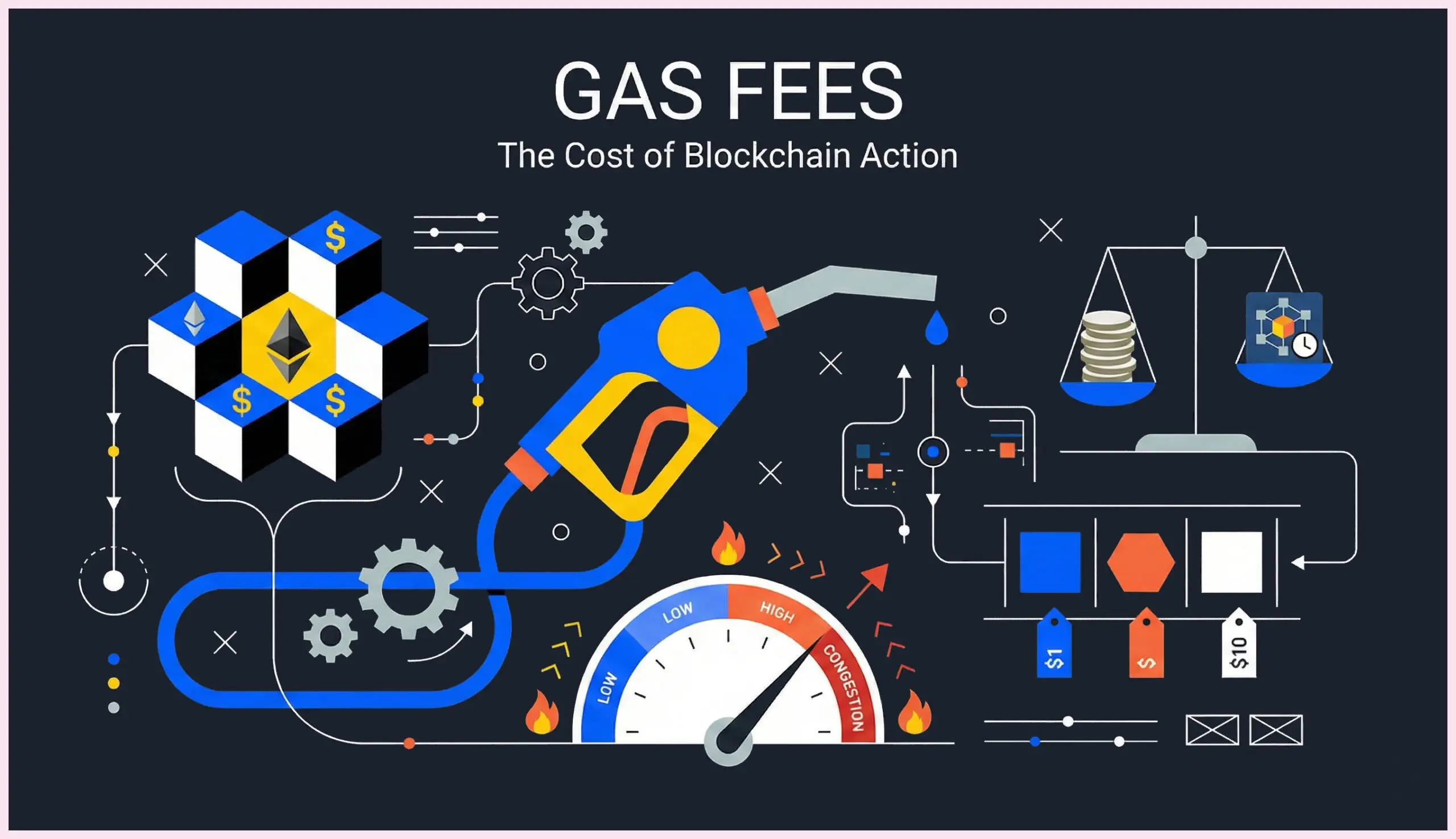

Gas fees are one of the most confusing — and most misunderstood — parts of the crypto world, especially for newer investors. Simply put, gas fees are the costs you pay to perform actions on a blockchain, such as sending crypto, swapping tokens, minting NFTs, or interacting with smart contracts. They exist because blockchains are decentralized networks that rely on independent validators or miners to process and secure transactions. Gas fees are the incentive that keeps those networks running.
At a technical level, gas represents the computational effort required to execute a transaction. Every action on a blockchain consumes a certain amount of resources: simple transfers use little gas, while complex smart contract interactions use much more. Each transaction has two main components: the amount of gas used and the price you’re willing to pay per unit of gas. Multiply the two, and you get the total fee. This is why fees can vary wildly depending on what you’re doing and how busy the network is.

Gas fees also act as a market mechanism. When a blockchain network is congested, users compete to get their transactions processed faster by offering higher gas prices. Validators naturally prioritize transactions that pay more, which can drive fees up during periods of heavy demand — like NFT launches, meme coin hype, or major market volatility. When activity is low, gas fees tend to drop because there’s less competition for block space.
Different blockchains handle gas fees in different ways. Ethereum, for example, uses a base fee that adjusts automatically based on network demand, plus an optional “tip” to incentivize faster processing. Other chains aim to keep fees consistently low by design, often through higher throughput or different consensus mechanisms. This is why sending funds on one network might cost a few cents, while the same action on another could cost tens of dollars during peak times.

For users, understanding gas fees is essential to avoiding unnecessary losses. High gas fees can turn small transactions into bad decisions, especially if fees outweigh the value being transferred. Failed transactions can also still consume gas, meaning you pay even if the action doesn’t succeed. Timing transactions during off-peak hours, adjusting gas settings carefully, and knowing which network you’re using can make a big difference.
Ultimately, gas fees are the price we pay for decentralization, security, and censorship resistance. While they can be frustrating, they play a crucial role in preventing spam, prioritizing network usage, and rewarding those who maintain the blockchain. As the crypto ecosystem evolves, many upgrades and alternative networks aim to reduce or optimize gas costs — but understanding how gas works today remains a core skill for anyone operating in the crypto world.

With 2.2M pre-registrations, Seal M on CROSS blends classic MMORPG gameplay with blockchain rewards through a gameplay-first model.
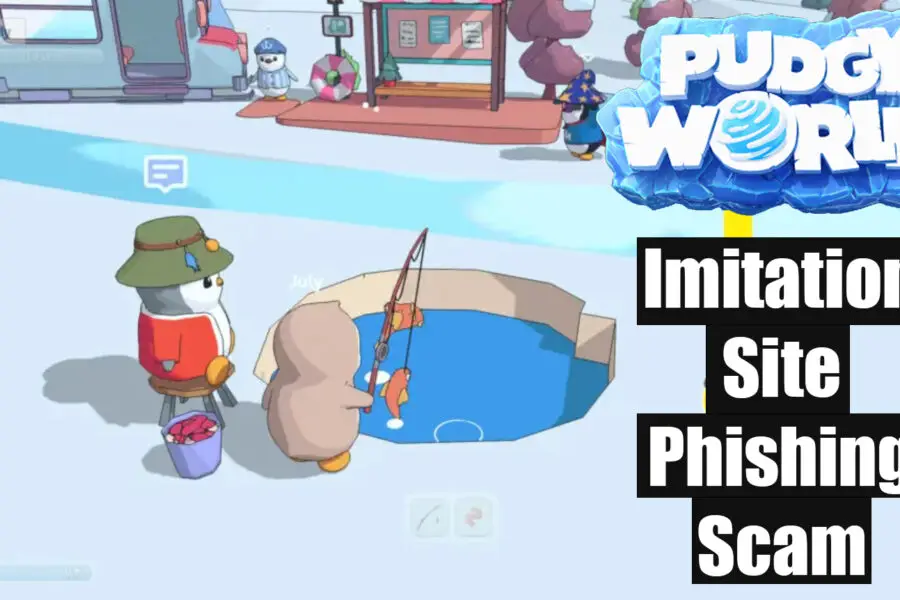
Malwarebytes warns of a phishing site mimicking Pudgy World that steals crypto wallet passwords. Learn how the scam works and how to stay safe.
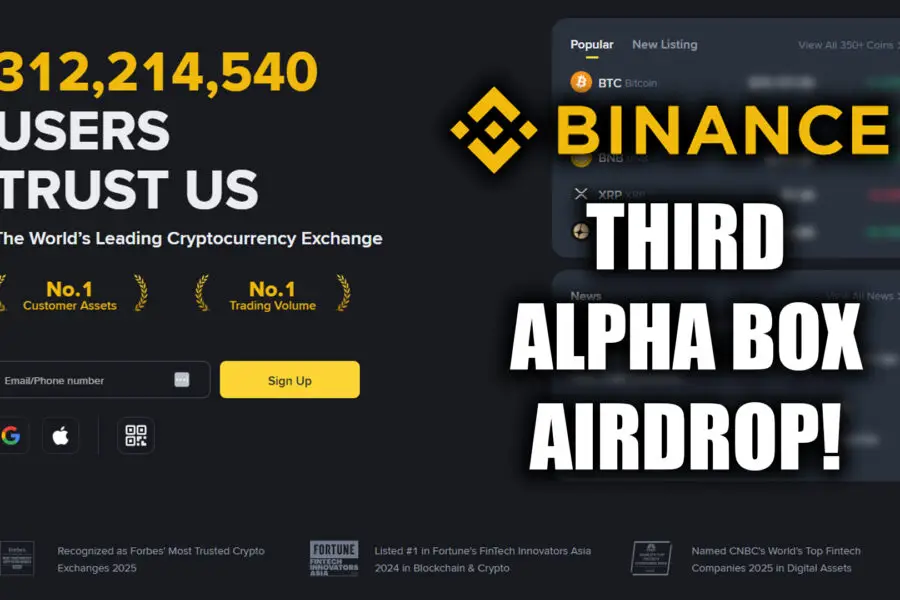
Claim your share of the 3rd Binance Alpha Box Airdrop — earn 470 INFINIT or 5,000 BLUAI tokens with 240 Alpha Points. Here's how to participate.

Gotchi Guardians is a “tower defense brawler” that reimagines the genre as a frantic, cross-platform PvP arena. Instead of quietly placing towers and waiting for...

Legends of Elysium is a hybrid TCG/board battler that pushes past the typical “lane duel” template by dropping your cards onto a hex-based battlefield. Every...

Foxaria is a web3-native action platformer built around “Shadows,” on-chain avatars that embody different NFT communities and meme cultures. You begin by minting (or playing...

New Festival Town is pitched as a retro-inspired social arcade and life sim hybrid built by Ashara Studios. On mobile (per the Google Play listing)...