











Spellborne
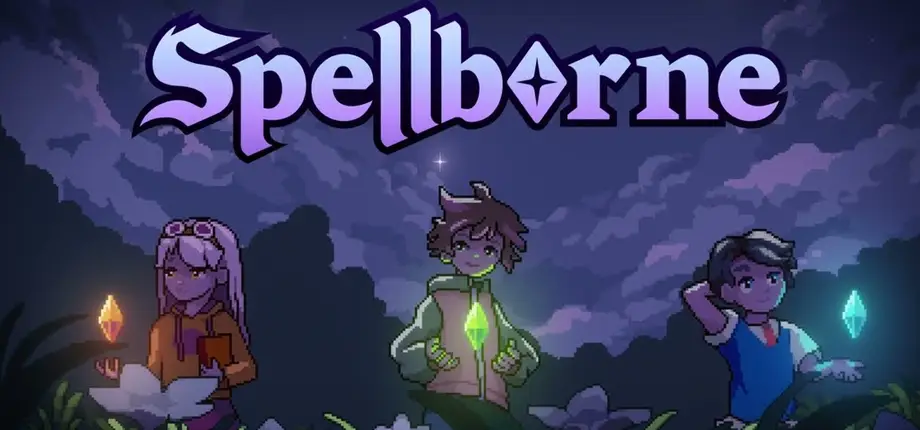
Pick one of three hunters, then catch monsters, grow crops and make friends across a pixel-art MMO world. Spellborne plays in the browser and on...
Pick one of three hunters, then catch monsters, grow crops and make friends across a pixel-art MMO world. Spellborne plays in the browser and on...
Gas fees explained: what they are, why they fluctuate, and how to avoid paying more than you need to on Ethereum and other blockchains.
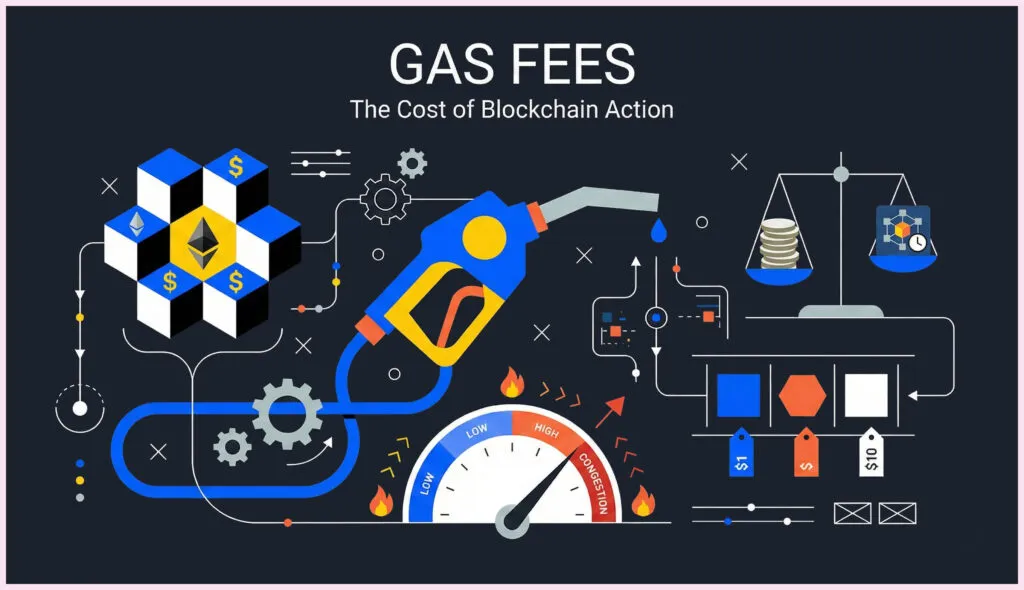

Gas fees are one of the most confusing — and most misunderstood — parts of the crypto world, especially for newer investors. Simply put, gas fees are the costs you pay to perform actions on a blockchain, such as sending crypto, swapping tokens, minting NFTs, or interacting with smart contracts. They exist because blockchains are decentralized networks that rely on independent validators or miners to process and secure transactions. Gas fees are the incentive that keeps those networks running.
At a technical level, gas represents the computational effort required to execute a transaction. Every action on a blockchain consumes a certain amount of resources: simple transfers use little gas, while complex smart contract interactions use much more. Each transaction has two main components: the amount of gas used and the price you’re willing to pay per unit of gas. Multiply the two, and you get the total fee. This is why fees can vary wildly depending on what you’re doing and how busy the network is.

Gas fees also act as a market mechanism. When a blockchain network is congested, users compete to get their transactions processed faster by offering higher gas prices. Validators naturally prioritize transactions that pay more, which can drive fees up during periods of heavy demand — like NFT launches, meme coin hype, or major market volatility. When activity is low, gas fees tend to drop because there’s less competition for block space.
Different blockchains handle gas fees in different ways. Ethereum, for example, uses a base fee that adjusts automatically based on network demand, plus an optional “tip” to incentivize faster processing. Other chains aim to keep fees consistently low by design, often through higher throughput or different consensus mechanisms. This is why sending funds on one network might cost a few cents, while the same action on another could cost tens of dollars during peak times.

For users, understanding gas fees is essential to avoiding unnecessary losses. High gas fees can turn small transactions into bad decisions, especially if fees outweigh the value being transferred. Failed transactions can also still consume gas, meaning you pay even if the action doesn’t succeed. Timing transactions during off-peak hours, adjusting gas settings carefully, and knowing which network you’re using can make a big difference.
Ultimately, gas fees are the price we pay for decentralization, security, and censorship resistance. While they can be frustrating, they play a crucial role in preventing spam, prioritizing network usage, and rewarding those who maintain the blockchain. As the crypto ecosystem evolves, many upgrades and alternative networks aim to reduce or optimize gas costs — but understanding how gas works today remains a core skill for anyone operating in the crypto world.
◆ ◆ ◆
 Prime Rush Blasts Off Across LATAM
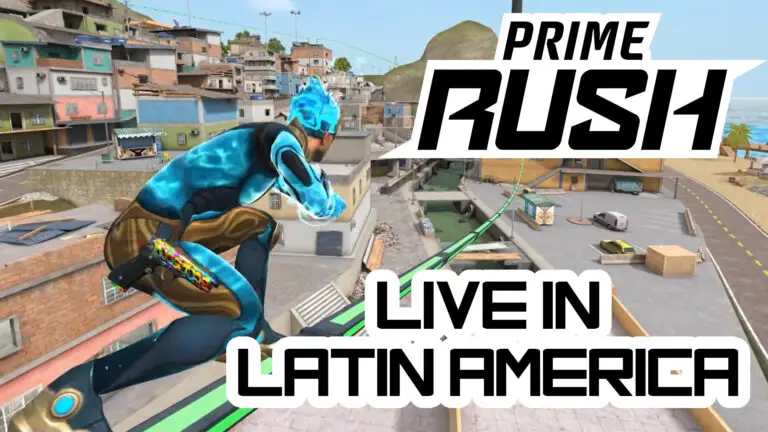
Prime Rush, the Brazilian-flavored Web3 battle royale, expands across LATAM with unique heroes, Cosmium extraction, and on-chain play.
April 20, 2026
Prime Rush Blasts Off Across LATAM
Prime Rush, the Brazilian-flavored Web3 battle royale, expands across LATAM with unique heroes, Cosmium extraction, and on-chain play.
April 20, 2026
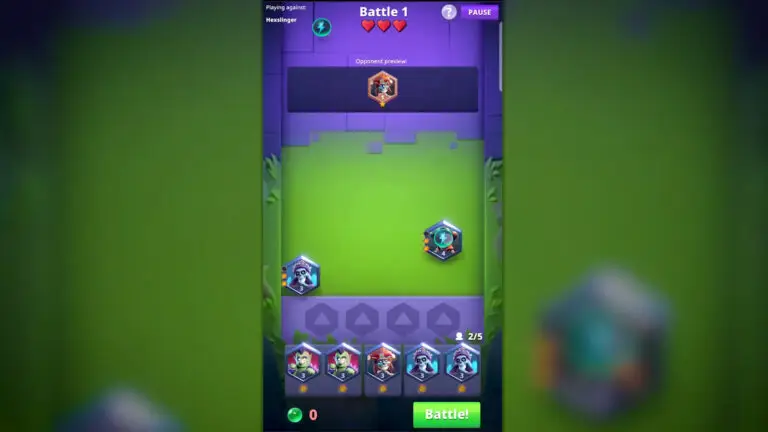 Rumble Arcade Announces $1500 Finale Prize for Community Clash Season 1
Rumble Arcade’s Community Clash Season 1 has reached its climax, with top clans set to compete for a $1,500 prize pool in a multi-day…
April 3, 2026
Rumble Arcade Announces $1500 Finale Prize for Community Clash Season 1
Rumble Arcade’s Community Clash Season 1 has reached its climax, with top clans set to compete for a $1,500 prize pool in a multi-day…
April 3, 2026
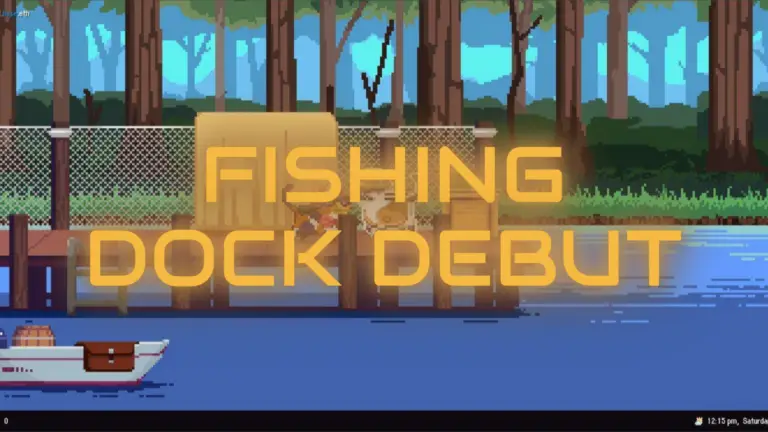 Cat Town Fishing Dock: Co-op Casting Goes Live
Cat Town unveils a shared fishing dock on Base for co-op casting, letting players fish together without a boat. Kibble token rallies.
September 18, 2026
Cat Town Fishing Dock: Co-op Casting Goes Live
Cat Town unveils a shared fishing dock on Base for co-op casting, letting players fish together without a boat. Kibble token rallies.
September 18, 2026
Settle the broken continent of Axoma as an Architect: work Land that churns out resources, craft gear, glyphs and potions, and lead Heroes through turn-based fights. Heroes belong to one of five classes (Knight, Mage, Rogue, Archer or Druid) and learn skills and equip gear as they level. Take them into dungeons whose sections reshuffle every week, gang up on world bosses that share one health pool across every player, or fish, mine and gather herbs between quests. In Tribal Conflicts you side with the Sproutkin, Emberclaws or Flowtails for group PvP, and the Arena runs its own tournaments. Pawtato Land […]
Lock in a squad of mushroom champions and battle through turn-based PvE and PvP across Arborethia, joining guilds and running quests for loot. Champz plays in your browser and on Android, where the 9,000 collectible Champz you fight, forage, and craft with are NFTs you own and trade on the marketplace. Hold the $CHAMPZ token on Base to earn Truffles you can swap for ETH. Free to play.
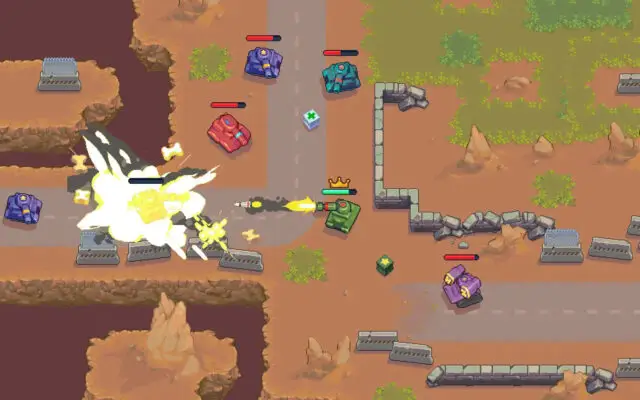
Drop into real-time top-down tank combat where aiming, dodging, and outmaneuvering your opponents wins the match. Think Brawl Stars, but you pilot a tank. Anyone jumps in free, while owning Tank Parts and Dog Avatar NFTs unlocks the full play-and-earn rewards on Sui. Play in the browser on PC or mobile, or grab a build from the Epic Games Store and Google Play.
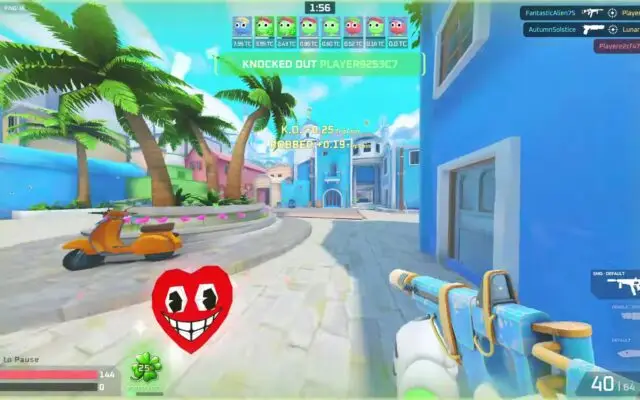
SuperTripLand is a free multiplayer FPS you play in your web browser, with five-minute psychedelic deathmatches and nothing to download. Pick a Deagle, SMG, AK-47, Vanguard or AWP and fight across four maps: Fidelio II, Vertigo Island, Satoshi Shipping Center and Ecstasy Shrine. It runs on desktop and mobile browsers and on CrazyGames. Does SuperTripLand have a token? No. Tripcoin is the in-game currency, and it is not on any blockchain. You spend it on crates, in the market and in minigames such as Daily Spin and Coin Flip. The blockchain side covers cosmetics only, and you need no wallet to […]